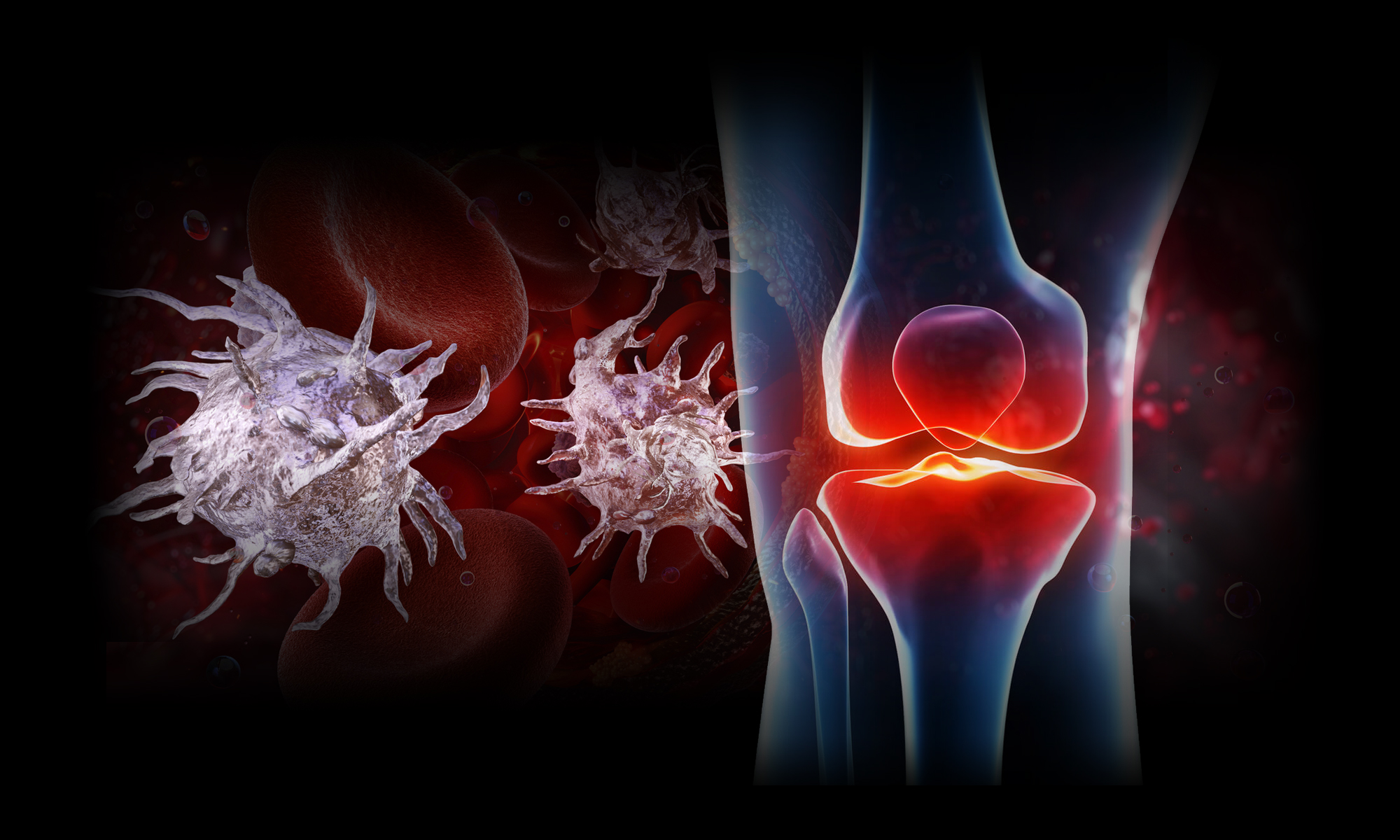

What is PRP?
Platelet-rich plasma (PRP) is an autologous substance rich in platelets that release a wide variety of growth factors from both α and dense granules. PRP contains PDGF, vascular endothelial growth factor, TGF-β, IGF-1, b-FGF, human growth factor, and endothelial growth factor. These growth factors have been associated with the initiation of a healing cascade resulting in cellular chemotaxis, angiogenesis, collagen matrix synthesis, and cell proliferation.
What conditions can be treated by PRP?
Evidence of PRP’s effectiveness continues to grow, including treatment of osteoarthritis (knee, ankle), tendoninopathy (elbow, archilles, and patella), and injuries (spained ankle, acl, and meniscal tear). There are also strong evidences to support PRP in hair growth and skin rejuvenation.
PRP vs Steroids
PRP is a long term pain reduction treatment that works by enhacing body’s own repair mechanism. Its effect is long lasting. Steroids, on the other hand, is a short term pain reduction treatment that works by suppressing inflammation, which is actually vital in tissue repair. Not only its effect is short lasting, the anti-inflmmatory property actually weakens the injured tissue.
Is PRP treatment “risky”?
The short answer is “No.” Since PRP treatments harvests patient’s own plasma, the risk of infection or allergy – related adverse events is incredibly small. Much smaller than say steroids, botox, and dermal fillers, all of which are synthetic chemicals.
What are the potetial side effects / complications associated with PRP?
As with all injections, the side effects are pain, swelling, redness, and bruising. These are self-limited and normally gone with 24 to 48 hours. The complications are site-dependent and my include never damage (almost always temporary), and failed procedures (unable to get into joint space for example).
I feel more pain after PRP treatment, is it normal?
Yes! Unlike steroid injection that gives immediate pain relief, PRP can sometimes do the opposite up to 2 weeks! This increasing pain is the result of intense repairing that takes place after PRP injection and is a positive sign.
Befor and After Care
Once you have made a booking for PRP, we will send you the relevant before and after care instruction.
Is PRP covered by Medicare or Private Health Fund?
No. PRP treatments are currently not covered by Medicare or PRivate Health Insurance.
What makes QR’s PRP treatments better than other providers?
5 reasons:
1. QR is doctor-led. All the treatments including collection of platelets are done by our specialist doctor.
2. QR only offers treatments that have up-to-date high quality evidences that suggest their clinical efficacy.
3. QR uses TGA-approved PRP system that can concentrate platelets 6 to 10 times the normal plasma level.
4. QR doctor uses imaging-guided (ultrasound) technique to precisely deliver PRP to the site of injuries. Compared to the “landmark” (aka. blind) method, this leads to much better outcome and much lower risks of complications.
5. QR strives to deliver best value-based and clinical excellence service.