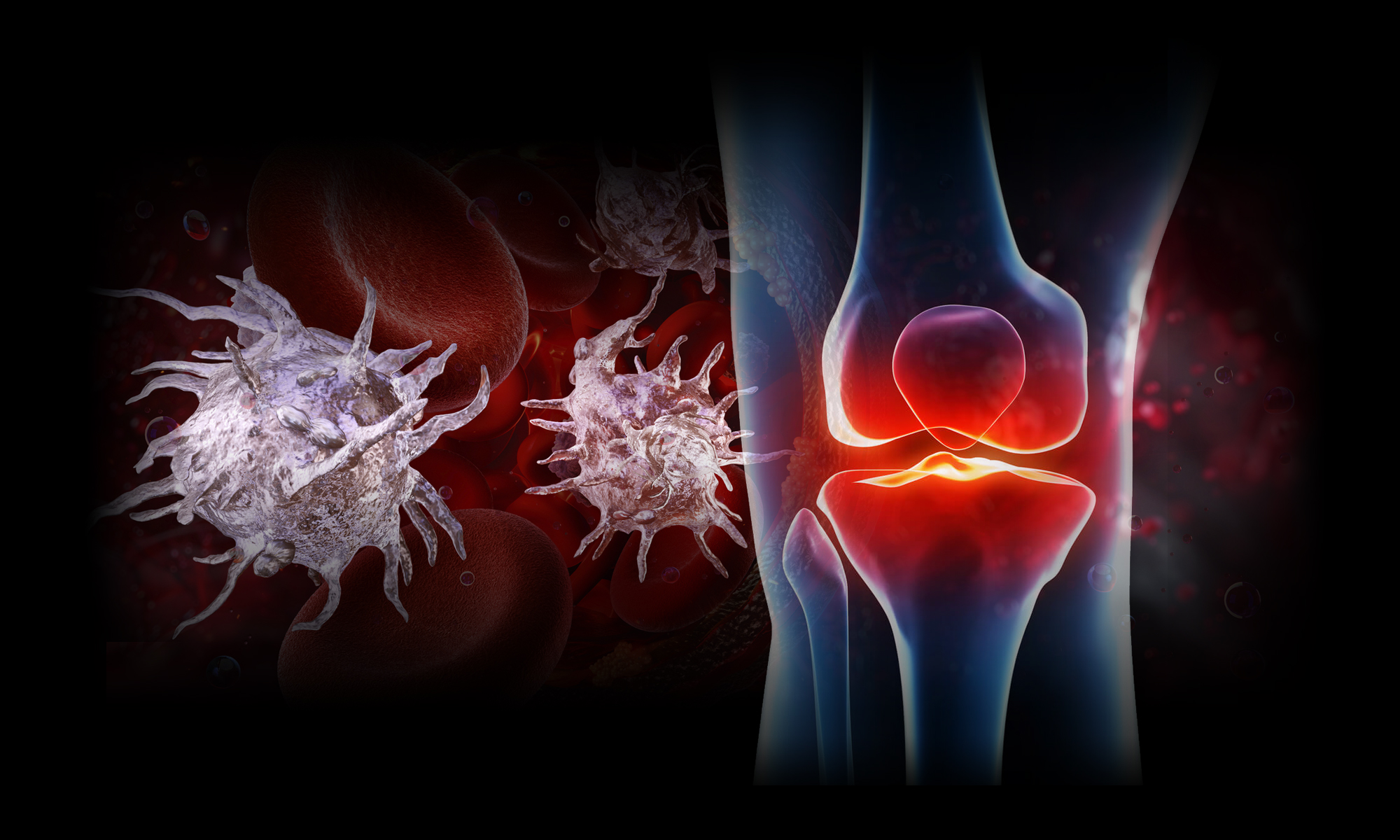

Platelet-rich plasma (PRP) is an autologous substance rich in platelets that release a wide variety of growth factors from both α and dense granules. PRP contains PDGF, vascular endothelial growth factor, TGF-β, IGF-1, b-FGF, human growth factor, and endothelial growth factor. These growth factors have been associated with the initiation of a healing cascade resulting in cellular chemotaxis, angiogenesis, collagen matrix synthesis, and cell proliferation.
Tendon & Joint
PRP is gaining popularity as an orthobiologic, showing increasing promise in treating many orthopedic injuries. Moreover, PRP injections are low cost and less invasive than surgical alternatives, making them accessible and low risk. Evidence of PRP’s effectiveness continues to grow, including treatment of osteoarthritis (knee, ankle), tendoninopathy (elbow, archilles, and patella), and injuries (spained ankle, acl, and meniscal tear).
Hair Regrowth
Platelet-rich plasma is a new biotechnology that is now used as a form of injectable treatment for hair loss. The therapy is growing in popularity as a treatment for hair loss due to its autologous nature, low side effect profile, and relative low cost compared to surgical treatment such as hair transplant. Unlike minoxidil and finasteride, lifelong application is not required. PRP is also not dependent on the patient’s current amount of donor hair unlike hair transplantation and is unlikely to result in scar formation.
Cosmetics
Multiple split-face randomized trials have been conducted to assess the efficacy of PRP products in facial rejuvenation. Post-treatment PRP appears to reduce the duration of edema and erythema by 1–2 days. The cosmetic benefits appear to be real based on the consistency of results across multiple published studies. Alleged complications with PRP are minimal and were rarely reported.
PRP vs Steroids
PRP is a long term pain reduction treatment that works by enhacing body’s own repair mechanism. Its effect is long lasting. Steroids, on the other hand, is a short term pain reduction treatment that works by suppressing inflammation, which is actually vital in tissue repair. Not only its effect is short lasting, the anti-inflmmatory property actually weakens the injured tissue. We recommend steroids only if immediate pain relief is desirable – for e.g. elite athelete participating in important event – or if you are on the wait list for joint replacement already.
What makes PRP research difficult to interpret
Much of the controversy involving the use of PRP stems from inconsistency of the research outcomes. Oftentimes, there are contradictory results from studies conducted on treating the same condtions. This leads to few authors conclude PRP being ineffective. However, there are now overwhleming evidence to suggest the discrepancy in outcomes are largely due to variations in PRP protocol adopted for these studies. Many papers that showed little or no benefits are due to wrong type of PRP, insufficient concentration, and/or not ultrasound-guided.